One of my specialties is fine gardening for the residential environment.
What is Fine Gardening?
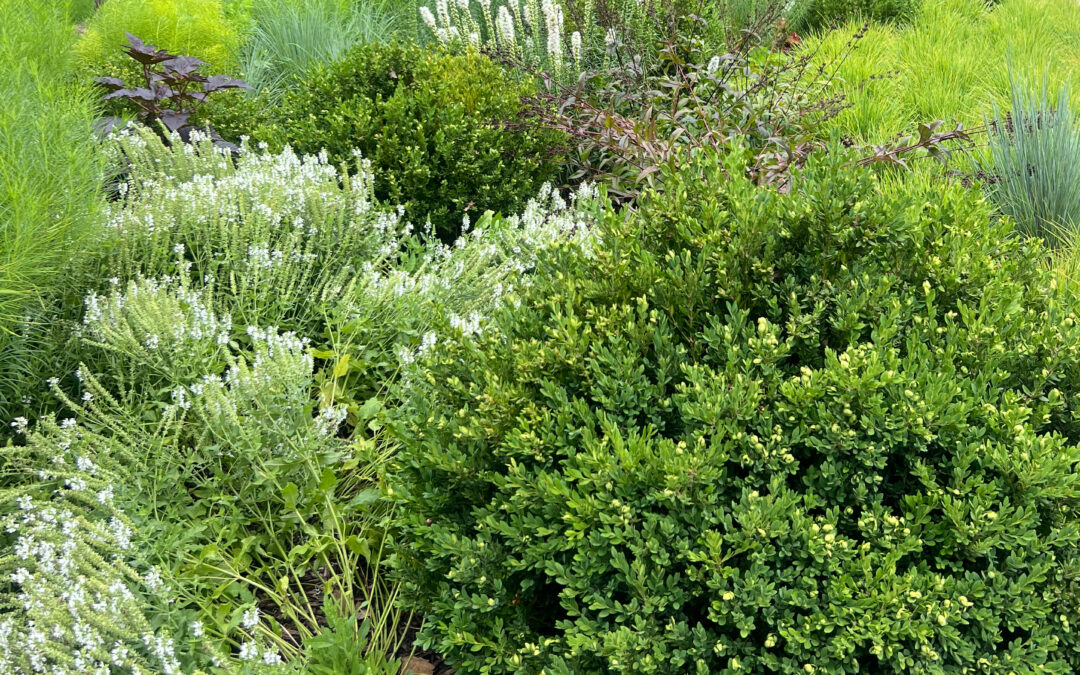
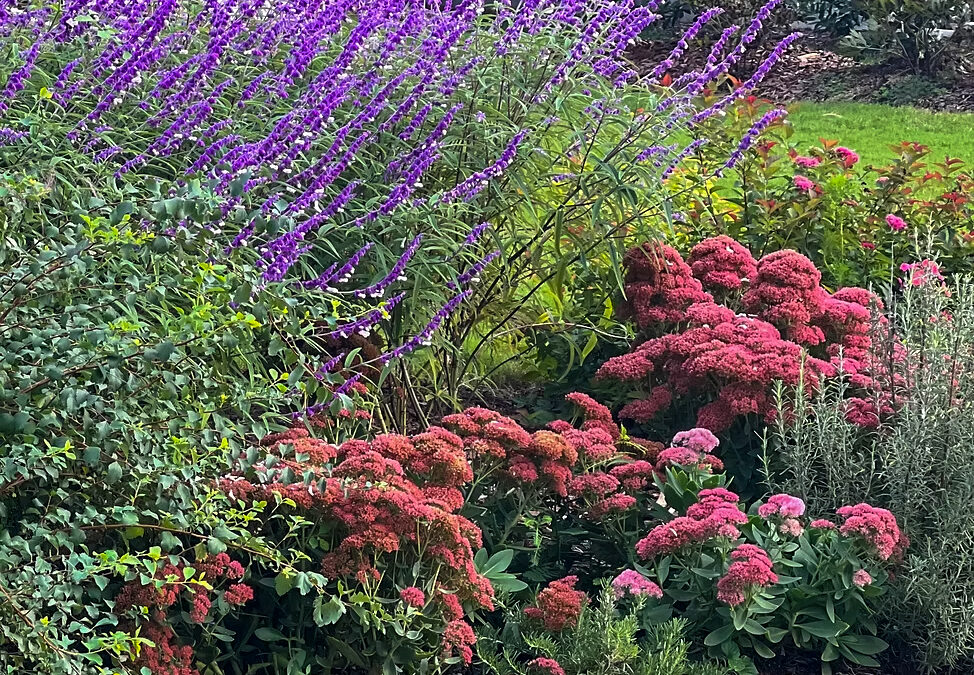
It's the detail work with plants in the landscape that take a garden from a humdrum yard to an enchanting landscape. You may see finely pruned topiaries and espaliers or experience what looks like an untouched perennial bed that has been honed with specific hands-on care.
Anyone who wants to have a changing repertoire of plants, variety, and vitality can bring fine gardening to their home landscape. As a fine gardener, I anticipate what nature will do, making specific plant choices to bring out the best feature and knowing how to work with given conditions, whether moisture, sun, soil, or other factors. Capitalize on my extensive knowledge of native and exotic plants to make selections. I will work with you and your existing plants so they will grow their best. Have a garden that brings you joy each time you spend time in your yard or garden!
Sadly, many homeowners look for a 'set it and forget it' mentality, with basic maintenance and unexciting forms that often defy the plants' natural enchanting habits and features. Others are stuck with plants the builder gave them, often the wrong plant in the wrong place. While owners are unhappy with the poor aesthetics, the plants are resigned to a life of suffering in the wrong cultural spot (light and moisture) or often require ceaseless pruning to curb their natural growth drive since they are the wrong plant for the location.
Bunny Mellon's Walled Garden at Oak Spring Garden Foundation in the summer of 2022.
Gaining Experience at Oak Spring Garden Foundation
I earned a deeper level of fine gardening skills at a preeminent historical horticultural property, Oak Spring Garden Foundation, on 700 acres in Upperville, Va., in 2022. I worked primarily in the historic walled garden and surrounding areas and on the Biocultural Conservation Farm, doing hands-on care and a design project planned to be installed on the property.
The foundation is dedicated to preserving the mission of Bunny Mellon, the former owner and self-trained horticulturalist of the property. To fulfill her motto that 'nothing should be noticed,' teams of people worked to create the lovely, timeless, and beguiling gardens and greenhouse.
Some of the elements I worked on in the walled garden and immediate area included:
The historic Martha Washington Crabapple allee
Stepover Cordons
Espaliers, Hawthorn, Rose, Pear, Quince, wisteria, and other
Crack gardens
Pruning of historic topiary trees, Holly, Hawthorn, and Hardy Orange
Everyday care of the perennials, annual flowers, vegetables, herbs, and shrubs
Excellent plant knowledge makes the difference between your investment surviving or failing. Plants always change, and planning for the desired outcomes with the preferred type of maintenance is critical.
Can you imagine after making a thoughtful couch selection for your living room, having paid for and installed it at just the right spot, it then starting to change? What if you had to consider your couch changing shape and color and possibly crowding out other furnishings? What if it grew so large you couldn’t watch the TV or make it to the refrigerator? What if it needed special vacuuming every week, and if you missed a week during the summer, it would be reduced to a pile of dust? Imagine if it didn’t like the angle you placed it and part of the upholstery burned from the sunlight or puckered and dried out with the winter winds from the front door, allowing insects to infest it? Consider the entire room, with all the chairs, tables, and rugs. They were doing the same things, but differently, constantly. You can imagine potential chaos.
This fun illustration helps a homeowner consider that the many factors in landscape design, like plant choices, are complicated and important. One must consider all of them about each plant and the many ways it will interact with all the other plants on your property. You can begin to see why excellent plant knowledge is vital and worth the investment!
What kind of plant knowledge should you look for?
Ideally, formal training with fieldwork, as I have had through both client work and formal education, is ideal. Working directly with clients and their plants and both outdoor landscape work and academics in the Landscape Gardening program at the Sandhills Community College where I earned my Associate of Science degree, helped me learn about hundreds of plants. The culmination of this specific industry training was an internship focused on fine gardening at a preeminent horticultural nonprofit foundation in VA. Called Oak Spring Garden Foundation. Prior years working at a plant nursery, where I saw them grow and change throughout the year, were invaluable.
Wouldn’t an everyday landscaper know which plants to put on your property? Maybe, maybe not. Many landscapers have excellent knowledge of plants learned often on the job or through formal training. Working directly with plants is one of the best ways to learn the qualities of a given plant. Generally, landscapers are paid to do a specific repetitive job quickly and move on to the next customer.
What are the considerations for a plant to thrive at your home and to be suitable?
The conditions of suitability are many. Plants have likes, needs, and dislikes related to the following:
Light
Water
Soil
Heat
Growth rate and mature size
New cultivars are released every year. The differences between a new cultivar and the parent species can be vast. Knowing which are tried and true and worth the investment makes the difference between success and failure.
These primary considerations will be covered in future blog posts in greater detail.
Special characteristics
These include factors like flowering time, duration, height, susceptibilities, and foliage differences. Attractiveness to pollinators, strength, scent, and growth predictability are only a few things that change from one cultivar to another.
Maintenance required
Fertilization, disease and pest prevention, pruning to ensure flowering, best form, and/or to promote unique training such as espalier are only a few of the factors to consider.